Marketing for the circular economy
The marketing agency for Canada’s circular economy
Sparx works with the people running Canada’s circular economy: stewardship programs, recyclers, producer responsibility organizations, and the companies quietly rebuilding their supply chains around materials they used to throw away.
It’s a harder brief than it looks
Most marketing assumes a straight line: make something, sell it, move on.
The circular economy bends that line into a loop, and the loop is where the value sits: reuse, repair, take-back, and material recovered instead of buried. Which leaves the marketing doing three jobs at once. Explain the loop to people who have never had a reason to think about it. Make the case to funders and regulators, who have thought about little else. And do both without sounding like a public service announcement about recycling.
We’ve been at that specific job since 2024. It isn’t sustainability marketing with a new sticker on it, which is why we never ran it as a side door off a general sustainability practice.
Four things we made, and what happened next
- Leveraging social media to showcase industry expertiseSocial media posts for EFS-plastics
- Crafting expert newsletters to highlight company and industry progressNewsletters for EFS-plastics
- Elevating brand messaging through strategic storytellingAdvertorials for Return-It
- Promoting net-zero resources for studentsAn advertising campaign for the Foundation for Environmental Stewardship, which passed its 500-download target a month early
Most agencies write about the circular economy. We publish the magazine.
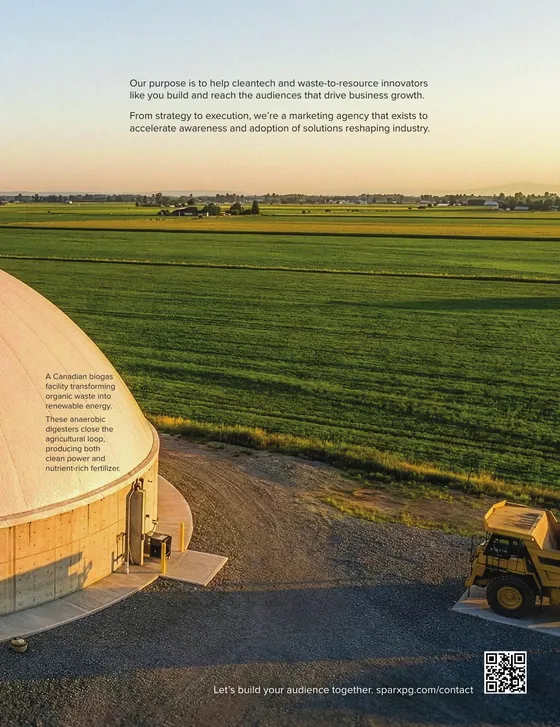
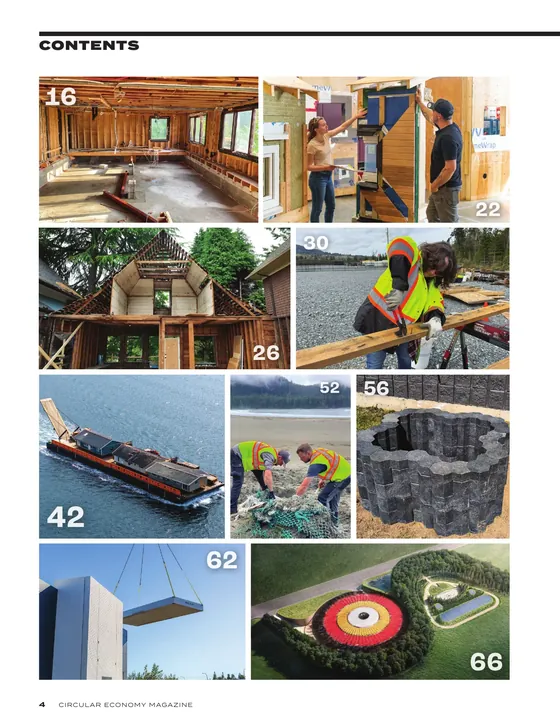
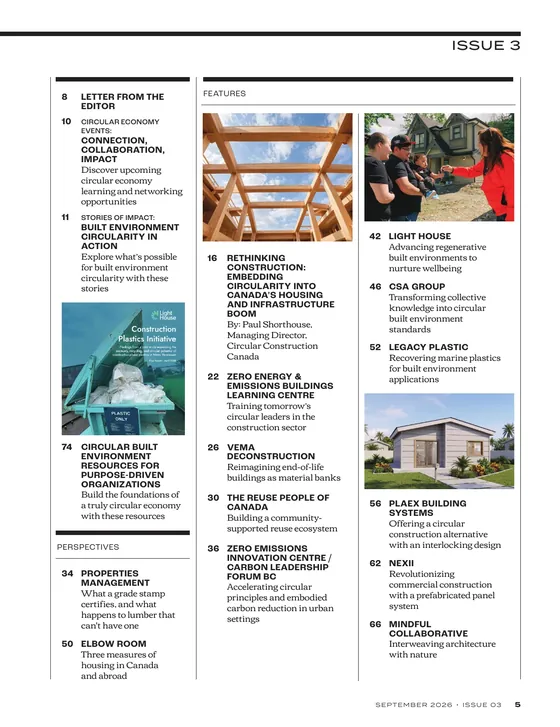
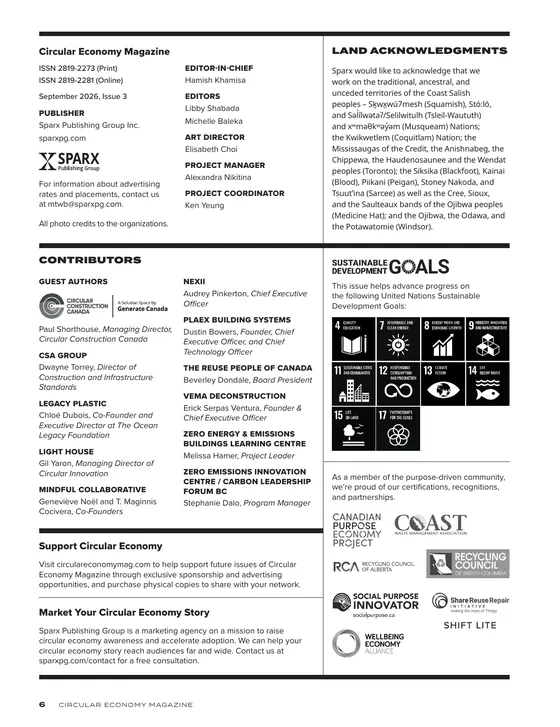
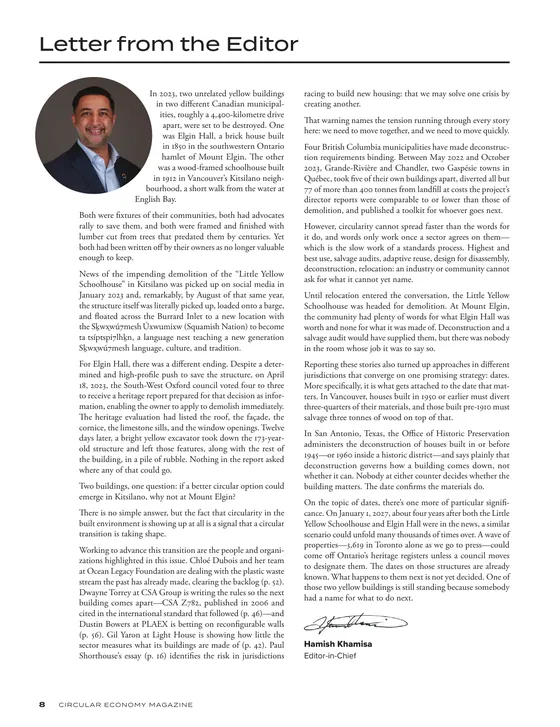
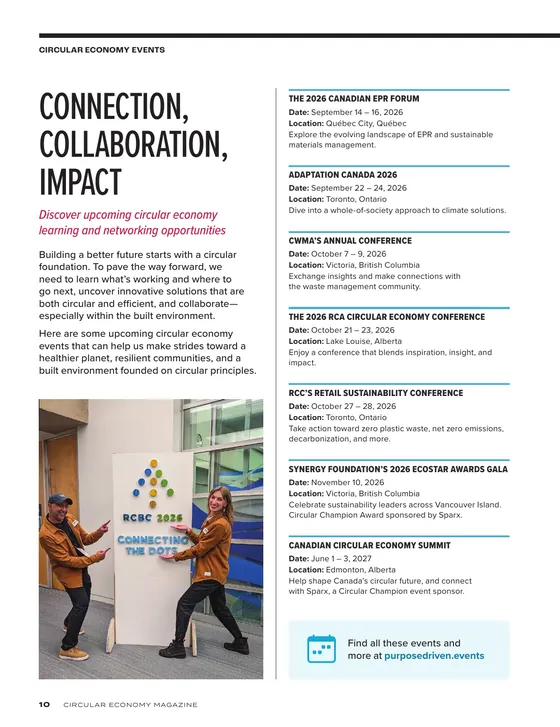
Circular Economy Magazine proves what’s possible for the circular economy in Canada and beyond by spotlighting the organizations, leaders, and innovations making circularity a reality.
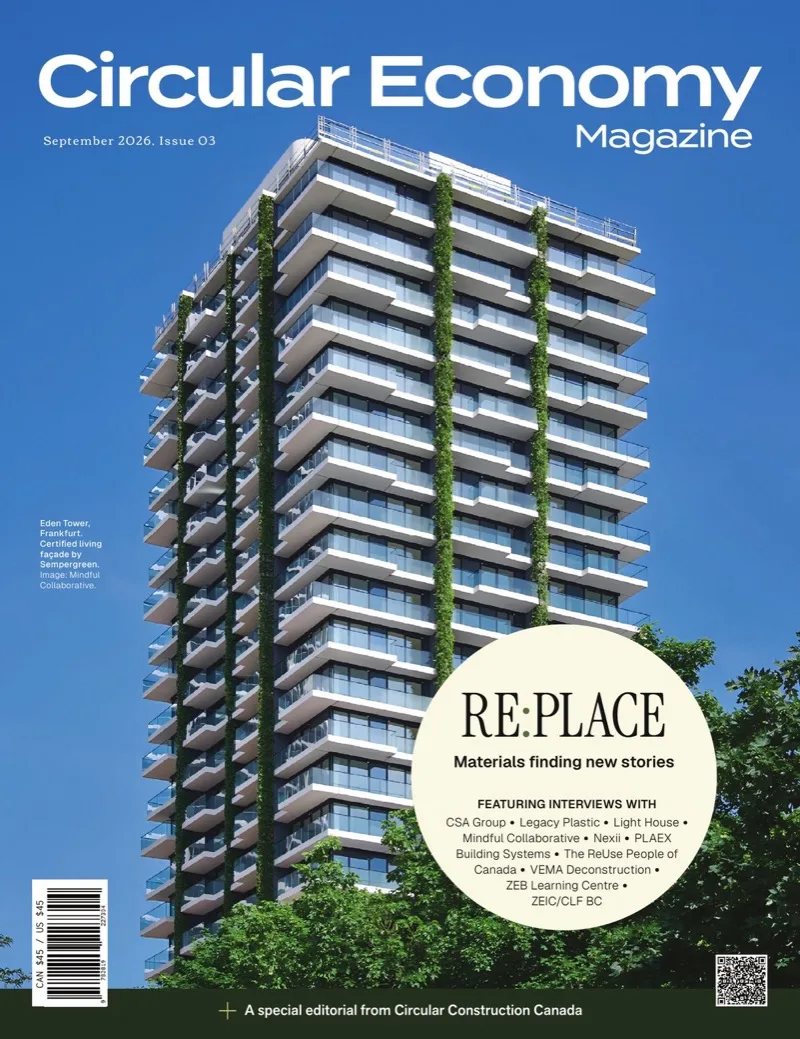

Where we show up
We’re members of the Recycling Council of British Columbia and the Recycling Council of Alberta, and partners with the Coast Waste Management Association. We sponsor the Canadian Circular Economy Summit and co-curate the Circular Economy track of the Victoria Forum. It’s a small sector. We’ve been in most of the rooms.
Questions we get about this
- What is circular economy marketing?
- Marketing for a loop rather than a sale. You're asking someone to bring a thing back, get it repaired, or choose the recovered material over the virgin one, and you're usually asking an organization, not a shopper.
- How is circular economy marketing different from sustainability marketing?
- Sustainability marketing tells a values story: a company doing less harm. Circular economy marketing has to survive contact with a spreadsheet: recovery rates, return volumes, contamination percentages. And the person you're persuading is often a municipality or a producer with a compliance deadline, not a consumer with a conscience. Run it as a values story and you'll lose that room.
- Does Sparx only work with circular economy organizations?
- For this practice, yes. We have clients outside the sector, including the Canadian Securities Exchange and TPD, and that's separate work. Everything on this page is here because we know this sector specifically.
- What is extended producer responsibility (EPR), and can Sparx help communicate it?
- EPR is regulation that keeps a producer on the hook for a product after the customer is finished with it, instead of letting responsibility end at the till. It's the reason a good number of our clients exist in the shape they do, and translating it for funders, regulators, and the public is a large part of the job.
- Can Sparx help with environmental marketing claims?
- Yes. Since Bill C-59 wrote substantiation requirements into the Competition Act, an unsupported environmental claim in Canada is a legal exposure, not just a reputational one. We'd rather build a campaign around a claim you can defend than one that merely tests well. In this sector, greenwashing gets spotted by your own peers before the regulator ever gets to it.
- Where can I read more?
- Our Circular Economy Marketing Advice Masterpost gathers the practical stuff from across our blog: avoiding greenwashing, reframing consumers as investors, and telling a materials story people finish reading.